A granite cutting machine is a specialized industrial tool designed to cut, shape, and process hard natural stone materials such as granite with high precision and efficiency. This article explains its working principle, key components, types, applications, advantages, maintenance practices, and safety considerations. It also helps buyers understand how to choose the right machine for their production needs while highlighting practical insights from real industrial usage scenarios.
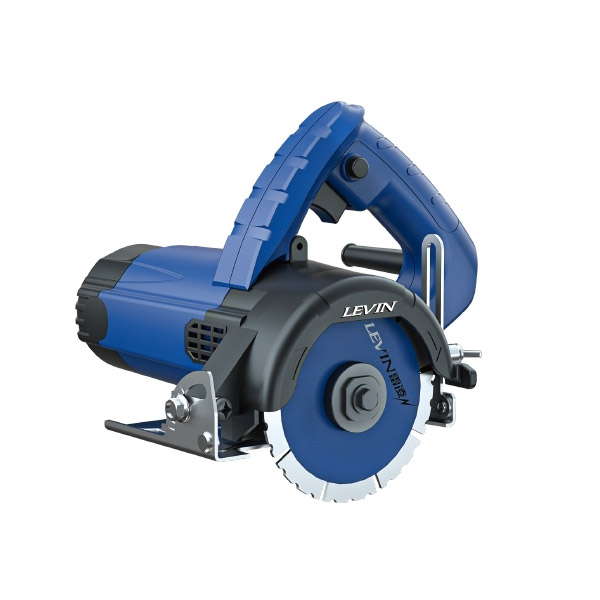
Granite is one of the hardest natural stones used in construction, architecture, and interior decoration. Cutting it efficiently requires specialized machinery capable of handling extreme hardness and abrasive properties. A granite cutting machine is engineered to meet these demands by combining mechanical strength, precision control systems, and advanced cutting technologies. In modern stone processing industries, it has become an essential piece of equipment for improving productivity and reducing material waste.
From countertop manufacturing to large-scale architectural stone production, these machines ensure consistent quality and accuracy while minimizing labor intensity and operational inefficiencies.
A granite cutting machine is an industrial device used to cut granite blocks into slabs, tiles, or customized shapes. It typically uses diamond-tipped blades or wire saw systems to penetrate the dense crystalline structure of granite.
Unlike conventional cutting tools, this machine is designed for continuous heavy-duty operation. It integrates hydraulic systems, electric motors, and computerized controls to ensure precision cutting even under extreme load conditions.
Understanding the structure of a granite cutting machine helps in appreciating its performance capabilities. The primary components include:
The working principle of a granite cutting machine is based on controlled abrasion. A diamond blade or wire rotates or moves at high speed against the granite surface. The hardness of diamond particles allows them to gradually grind and cut through the stone.
Water is continuously applied to the cutting area to cool the blade and reduce dust formation. This not only improves cutting efficiency but also extends the life of the cutting tool. Modern machines often use CNC (Computer Numerical Control) systems to ensure precise and repeatable cutting patterns.
| Type | Description | Best Use Case |
|---|---|---|
| Bridge Saw Machine | Uses a bridge structure with a rotating blade for straight cuts | Slab cutting and countertop production |
| Wire Saw Machine | Uses diamond wire loops for large block cutting | Quarry operations and large stone blocks |
| CNC Stone Cutter | Computer-controlled machine for precision shaping | Complex designs and custom fabrication |
| Multi-Blade Cutter | Multiple blades for high-volume slab production | Industrial mass production |
Granite cutting machines are widely used across multiple industries:
Their versatility makes them indispensable in both small workshops and large industrial stone processing plants.
Traditional stone cutting methods often suffer from low efficiency, inconsistent accuracy, and high labor costs. Granite cutting machines address these issues effectively.
These advantages significantly improve production output and profitability for stone processing businesses.
Proper maintenance is essential for extending machine lifespan and ensuring stable performance:
Preventive maintenance reduces downtime and helps avoid costly repairs.
Operating a granite cutting machine involves handling heavy materials and high-speed cutting tools. Safety must always be a priority.
Following safety protocols reduces accident risks and ensures smooth operation.
When selecting a granite cutting machine, businesses should consider production scale, cutting precision requirements, and automation level. Key factors include:
Choosing the right machine ensures long-term operational efficiency and return on investment.
Litai is a trusted manufacturer in the stone processing machinery industry, offering advanced granite cutting machine solutions designed for precision, durability, and industrial efficiency. Their equipment is engineered with modern control systems and robust mechanical structures to meet the evolving needs of global stone fabrication businesses.
With a focus on innovation and reliability, Litai provides machines that help reduce operational costs while increasing production quality. Their solutions are widely used in construction material processing and customized stone manufacturing industries.
Q1: What materials can a granite cutting machine process?
It can process granite, marble, quartz, and other hard natural stones.
Q2: How long does a cutting blade last?
Blade lifespan depends on usage intensity, cooling efficiency, and stone hardness, but diamond blades typically last significantly longer than conventional tools.
Q3: Is CNC control necessary?
CNC control is not mandatory but highly recommended for precision work and complex designs.
Q4: Can small workshops use granite cutting machines?
Yes, there are compact models suitable for small-scale production environments.
A granite cutting machine plays a critical role in modern stone processing industries by delivering precision, efficiency, and reliability. From basic slab cutting to advanced CNC shaping, these machines support a wide range of industrial applications. Understanding their working principle, maintenance requirements, and selection criteria helps businesses make informed investment decisions and optimize production workflows.
To learn more about high-performance granite cutting solutions, explore Litai’s professional equipment offerings and technical support services. Visit our product page and connect with our team for customized recommendations.