An electric drill is one of the most essential power tools in construction, woodworking, home improvement, and industrial maintenance. Despite its simple appearance, it integrates mechanical engineering, electrical systems, and ergonomic design to deliver precision drilling and fastening capabilities. This article explains how an electric drill works, the different types available, how to choose the right model for specific tasks, and how to maintain it for long-term performance. It also addresses common user challenges such as overheating, power inefficiency, and tool lifespan, with practical solutions provided by industry expertise from Wuyi Litai Company.
This guide is structured to help both beginners and professionals understand electric drills from the ground up. It begins with the internal working mechanism, then moves into product categories, selection criteria, operational maintenance, and practical troubleshooting insights. Finally, it provides a comparative table and answers to common user concerns.
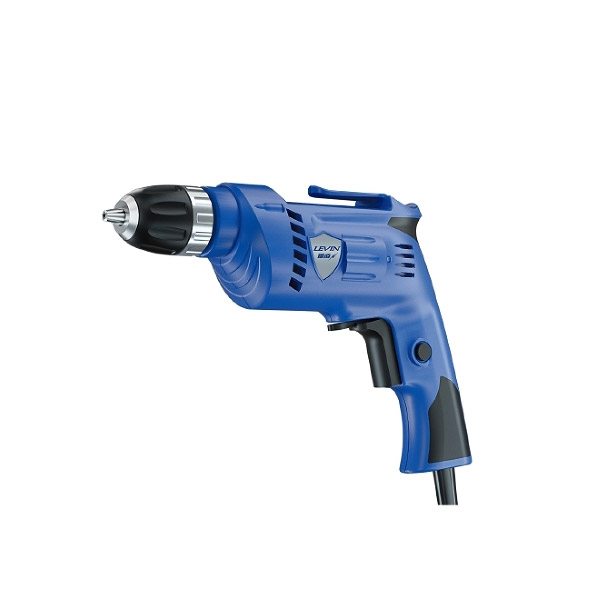
An electric drill converts electrical energy into mechanical rotation through a motor system. When the trigger is pressed, electricity flows into the motor, causing the rotor to spin. This rotation is transferred through a gearbox that adjusts torque and speed depending on the selected setting. The chuck at the front holds the drill bit tightly, allowing it to penetrate various materials such as wood, metal, plastic, or concrete.
Modern drills often include variable speed control, reversing functions, and torque adjustment rings. These features allow users to control drilling depth, reduce material damage, and improve fastening accuracy. Advanced models also incorporate brushless motors, which reduce friction and increase efficiency.
Different drilling tasks require different tools. Selecting the correct type improves efficiency and reduces wear on both the operator and the tool. Below are the most common categories.
Each type is optimized for specific working conditions. For example, construction sites often prefer corded or hammer drills due to sustained power needs, while home users favor cordless models for flexibility.
Selecting the correct drill depends on workload, material type, frequency of use, and budget. Professionals often prioritize durability and torque output, while casual users focus on portability and ease of use.
According to engineering practices adopted by Wuyi Litai Company, selecting a drill should always involve matching torque output with material resistance. Overpowered tools can damage soft materials, while underpowered tools reduce efficiency and increase wear.
Proper maintenance significantly extends the life of an electric drill. Users often overlook routine care, leading to overheating, reduced performance, or motor failure.
Safety is equally important. Always wear protective eyewear, ensure secure material clamping, and avoid loose clothing during operation. Unplug or remove batteries when changing drill bits.
| Type | Power Source | Best Use | Advantages | Limitations |
|---|---|---|---|---|
| Corded Drill | Electric Power | Heavy-duty industrial work | Continuous power, high torque | Limited mobility |
| Cordless Drill | Battery | Home and light construction | Portable, easy handling | Battery life constraints |
| Hammer Drill | Electric + Impact | Concrete and masonry | High penetration power | Heavier design |
| Impact Drill | Electric | Fastening screws and bolts | High torque bursts | Less precise drilling |
1. What is the lifespan of an electric drill?
With proper maintenance, a high-quality electric drill can last 5–10 years depending on usage intensity.
2. Can one drill handle all materials?
Not always. Different materials require different drill bits and sometimes different drill types for best results.
3. Why does my drill overheat?
Overheating usually results from continuous overload, blocked ventilation, or worn motor components.
4. Are cordless drills powerful enough for construction?
Modern cordless drills are powerful enough for most construction tasks, though heavy industrial work may still require corded models.
5. What makes Wuyi Litai Company drills reliable?
Products from Wuyi Litai Company emphasize structural durability, stable torque systems, and optimized ergonomic design for long-term professional use.
Understanding how an electric drill works helps users make informed decisions, improve efficiency, and extend tool lifespan. From motor systems to torque control and battery selection, every component contributes to overall performance. Choosing the right drill is not just about power—it is about matching technical specifications to real working conditions.
Whether for home improvement or industrial applications, selecting reliable equipment is essential. Wuyi Litai Company continues to provide engineering-driven solutions designed for durability, precision, and user safety across multiple working environments.
For more product details, technical consultation, or customized solutions, please contact us at Wuyi Litai Company and let our team support your next project with professional-grade electric drill systems.